How to Build a Tender Pipeline That Delivers Consistent Business Growth
6 min read
 Team FuturixAI
Winning government contracts isn't just about submitting great proposals—it's about maintaining a healthy pipeline of opportunities. Many businesses make the mistake of chasing tenders only when they need immediate work. While this approach may generate occasional wins, it rarely leads to consistent growth.
Successful procurement teams take a different approach. They continuously identify, qualify, and manage opportunities long before submission deadlines arrive. Instead of relying on one or two tenders, they maintain a steady pipeline that keeps their teams busy and improves their chances of winning contracts.
In this guide, we'll explore how to build a strong tender pipeline, avoid common mistakes, and use AI to create a more predictable procurement process.
What Is a Tender Pipeline?
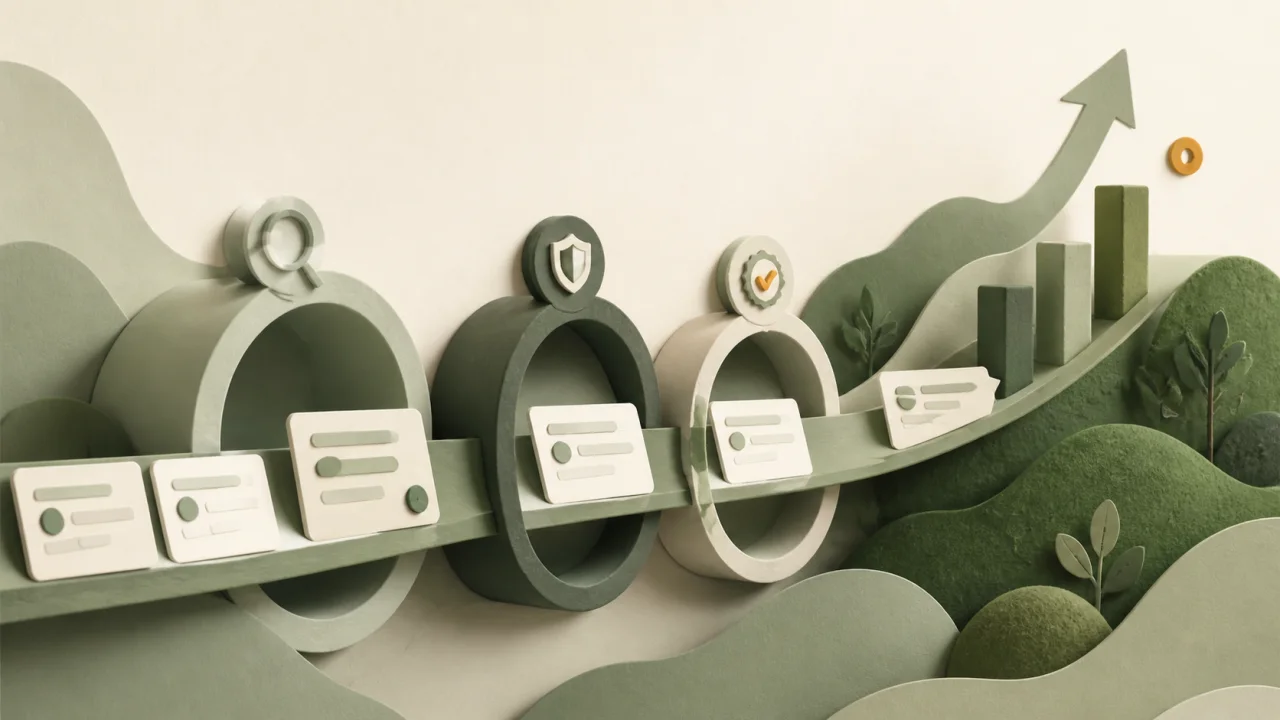
A tender pipeline is a structured view of every procurement opportunity your business is tracking from newly discovered tenders to submitted bids and awarded contracts.
Rather than treating each tender as a separate project, a pipeline allows procurement teams to manage opportunities as part of an ongoing process.
A well-managed pipeline typically includes:
- Newly discovered opportunities
- Opportunities under review
- Qualified tenders
- Active bid preparation
- Submitted proposals
- Awarded contracts
- Lost or closed opportunities
This visibility helps teams understand where every opportunity stands and what actions need to be taken next.
Why Every Business Needs a Tender Pipeline
Without a structured pipeline, procurement often becomes reactive.
Teams search for opportunities only when workloads decrease or when revenue targets need to be met. This creates periods of intense activity followed by gaps where few opportunities are available.
A healthy pipeline creates consistency.
Instead of depending on a handful of tenders, businesses always have new opportunities entering the process while existing bids move toward submission or award.
The benefits include:
- Better planning
- Improved resource allocation
- More consistent bidding activity
- Higher win potential
- Reduced last-minute pressure
- Greater visibility across the procurement process
Simply put, a pipeline gives procurement teams control instead of leaving them to react to opportunities as they appear.
Step 1: Find More Relevant Opportunities
Every strong pipeline starts with consistent opportunity discovery.
Relying on manual searches across multiple procurement portals is time-consuming and often leads to missed tenders.
Modern tender search software and AI tender search tools continuously monitor procurement sources, helping businesses discover opportunities without spending hours checking multiple websites.
This includes monitoring:
- GeM
- CPPP
- PSU procurement portals
- State e-procurement websites
- Department-specific procurement portals
Using AI Tender Discovery, businesses receive relevant opportunities based on their products, services, industry, and preferred locations instead of manually filtering thousands of listings.
Step 2: Qualify Opportunities Before Investing Time
Not every tender deserves a proposal.
One of the biggest reasons procurement teams become overwhelmed is because they attempt to pursue every available opportunity.
Before committing resources, evaluate each tender based on:
- Eligibility requirements
- Technical capabilities
- Project value
- Timeline
- Geographic location
- Competition
- Strategic fit
AI Tender Analysis Software can speed up this process by summarizing tender documents, highlighting mandatory requirements, and identifying opportunities that align with your business.
Qualifying opportunities early allows teams to focus on contracts they are genuinely capable of winning.
Step 3: Organize Every Tender in One Place
Managing opportunities through spreadsheets, emails, and shared folders becomes increasingly difficult as your pipeline grows.
A centralized Government Tender Software platform keeps every opportunity organized.
Procurement teams can:
- Store tender documents
- Track deadlines
- Assign responsibilities
- Monitor progress
- Maintain communication
- Review submission status
Having one centralized dashboard reduces confusion and improves visibility across the entire bidding process.
Step 4: Prioritize High-Value Opportunities
Every tender doesn't have the same business value.
Some contracts may generate significant revenue, while others offer strategic advantages such as entering a new market or building relationships with government buyers.
Procurement teams should prioritize opportunities based on:
- Revenue potential
- Strategic importance
- Win probability
- Resource requirements
- Submission effort
Using AI bid discovery, businesses can score opportunities and focus their efforts where they are most likely to achieve results.
Step 5: Keep Your Pipeline Moving
A common mistake is allowing opportunities to remain inactive for too long.
Every tender should have a next action assigned.
Examples include:
- Review eligibility
- Collect supporting documents
- Schedule technical discussion
- Complete pricing
- Obtain approvals
- Submit proposal
Assigning clear responsibilities keeps opportunities moving through the pipeline instead of becoming forgotten tasks.
Step 6: Monitor Deadlines Proactively
A healthy pipeline isn't just about finding opportunities—it's also about managing them effectively.
Missing submission deadlines or corrigenda can undo weeks of preparation.
Using AI Tender Management Software, procurement teams receive:
- Live tender alerts
- Automated deadline reminders
- Amendment notifications
- Corrigenda updates
- Submission tracking
This proactive approach ensures every opportunity progresses on schedule.
Step 7: Learn from Every Bid
Every submitted tender provides valuable information.
Whether you win or lose, reviewing outcomes helps improve future performance.
Questions worth asking include:
- Why was this opportunity successful?
- Were any compliance issues identified?
- Did proposal preparation take too long?
- Which buyers respond most frequently?
- Which industries generate the highest returns?
A strong pipeline isn't static it continuously improves based on experience.
Use AI to Strengthen Your Tender Pipeline
Artificial Intelligence brings every stage of pipeline management together.
Instead of relying on disconnected tools, businesses can use AI to:
- Discover opportunities
- Analyze tender documents
- Prioritize contracts
- Monitor deadlines
- Assign tasks
- Track proposal progress
- Measure performance
This allows procurement teams to manage larger pipelines while reducing manual effort.
Common Mistakes That Weaken Tender Pipelines
Even experienced procurement teams can fall into habits that reduce efficiency.
Some of the most common mistakes include:
- Chasing every available tender
- Relying only on manual searches
- Missing amendments and deadline changes
- Poor internal collaboration
- Tracking opportunities through spreadsheets
- Failing to review previous bid performance
Avoiding these issues creates a healthier and more predictable procurement process.
How Tenderism Helps You Build a Stronger Tender Pipeline
Building a successful pipeline requires more than discovering opportunities—it requires visibility, organization, and continuous follow-up.
Tenderism combines AI Tender Discovery, Government Tender Software, AI Tender Analysis Software, AI Tender Management Software, AI Bid Writing Software, AI Proposal Management Software, and an Enterprise Tender Automation Platform into one intelligent solution.
With Tenderism, businesses can:
- Discover relevant government tenders automatically
- Qualify opportunities faster
- Organize every active bid in one dashboard
- Receive live tender alerts and amendment notifications
- Track deadlines without spreadsheets
- Collaborate across departments
- Monitor the entire procurement pipeline in real time
Instead of reacting to opportunities, procurement teams gain complete control over every stage of the bidding process.
Final Thoughts
A successful procurement strategy isn't built around one winning bid—it's built around a consistent pipeline of quality opportunities.
By continuously discovering relevant tenders, qualifying them carefully, organizing workflows, and using AI to automate repetitive tasks, businesses can improve efficiency while increasing their chances of winning government contracts.
If you're looking to move beyond manual tender tracking and build a procurement pipeline that scales with your business, Tenderism provides everything you need in one platform. From intelligent opportunity discovery and tender analysis to bid management, proposal collaboration, automated alerts, and enterprise workflow automation, Tenderism helps you build a healthier pipeline, make better bidding decisions, and turn more opportunities into successful contracts.